Sample 01Everyday Cotton T-Shirt
A lightweight jersey tee showing how conventional cotton, garment mass and regional manufacturing enter the model.
Largest modeled stages
0.18 kg · 100% conventional cotton jersey.
Fictional products · Calculated evidence
Explore six realistic garment scenarios calculated against the pinned French Environmental Cost method. The products are fictional; the inputs and stored calculation responses are inspectable.


Sample range
Compare values to understand the interface, not to rank unlike garments. Function, mass and product category materially change the modeled result.
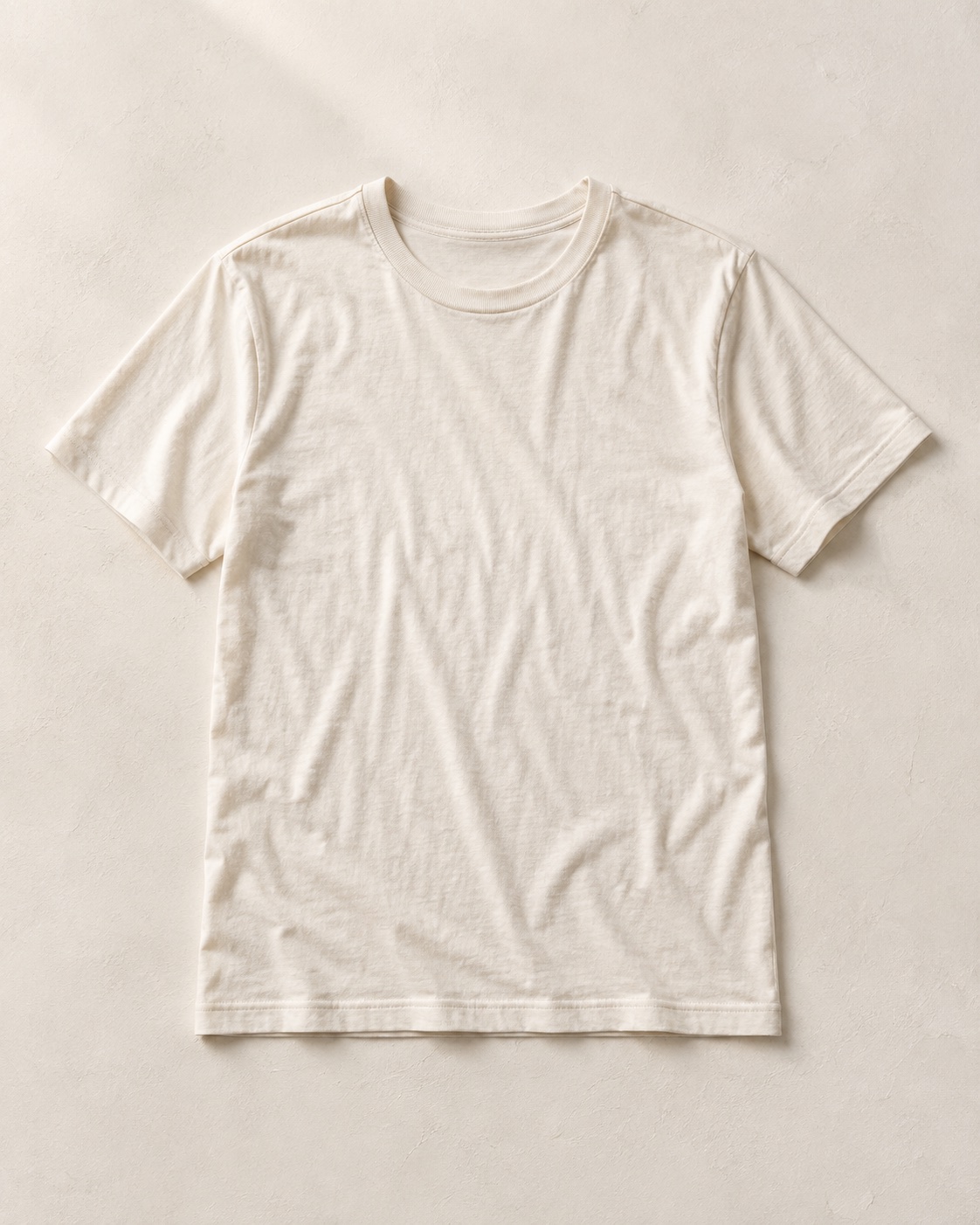
Sample 01A lightweight jersey tee showing how conventional cotton, garment mass and regional manufacturing enter the model.
Largest modeled stages
0.18 kg · 100% conventional cotton jersey.
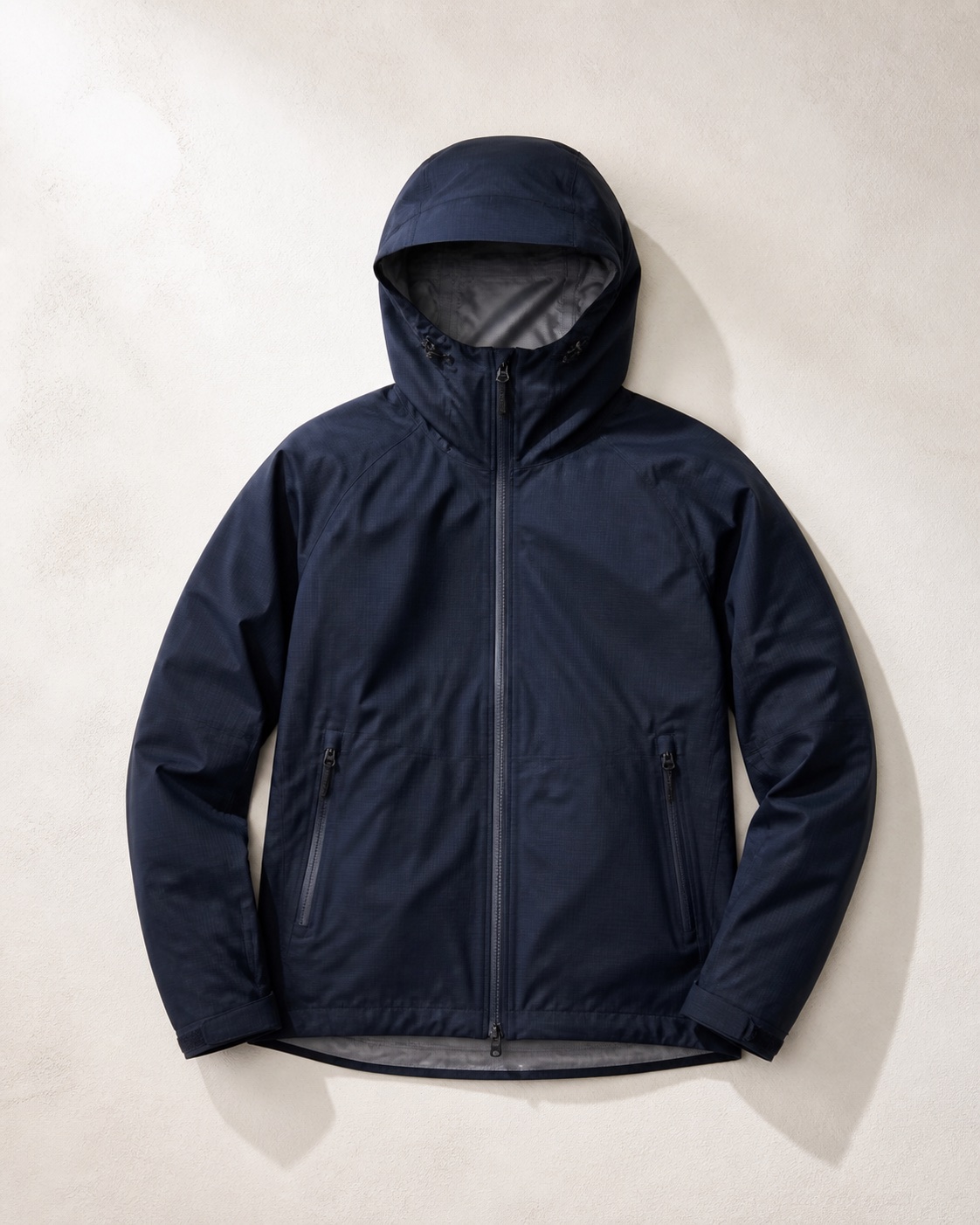
Sample 02A technical outer layer illustrating recycled synthetic fiber, product mass and a more complex assembly route.
Largest modeled stages
0.52 kg · 92% recycled polyester, 8% elastane.
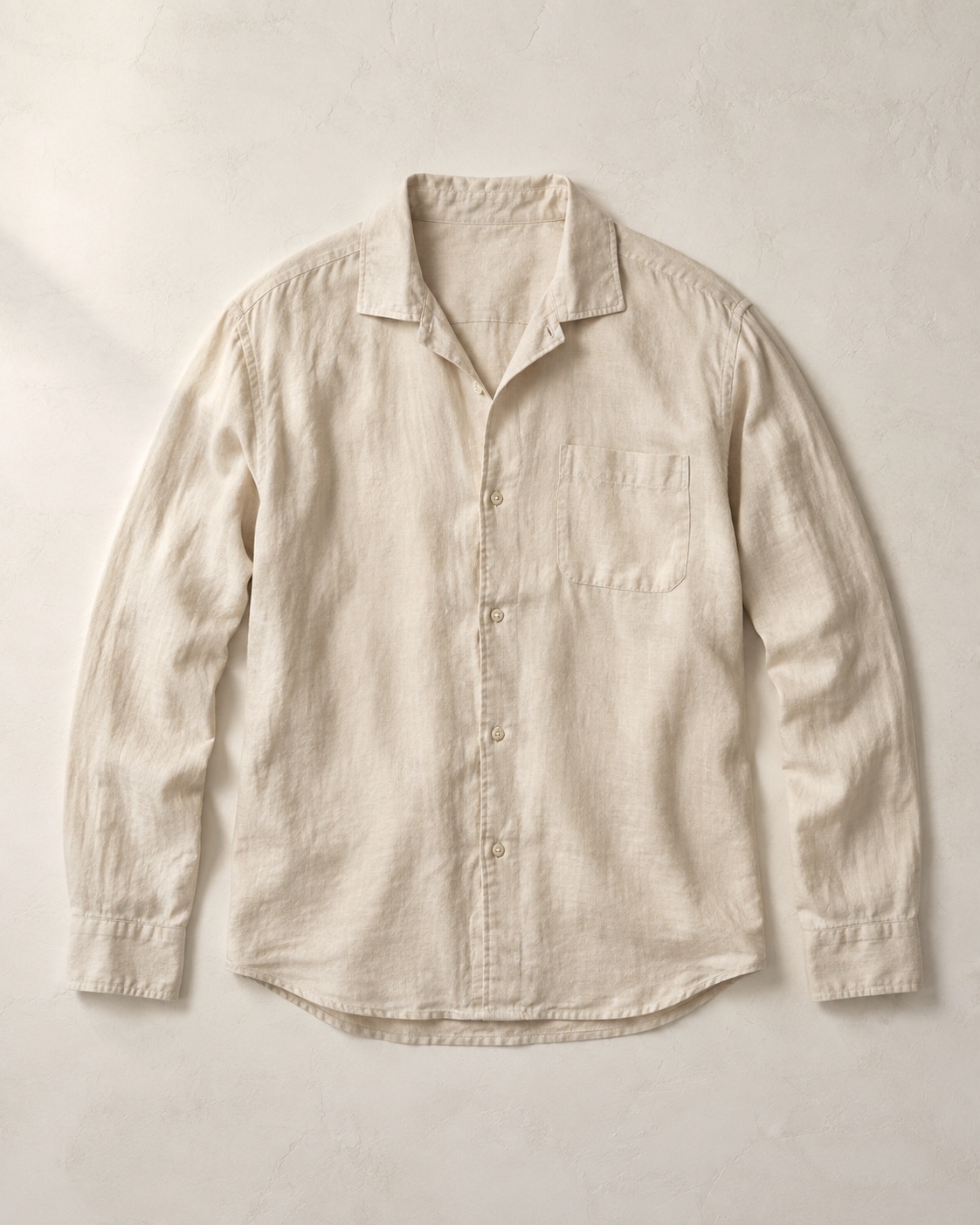
Sample 03A breathable woven shirt showing a flax-rich composition and a short European production scenario.
Largest modeled stages
0.24 kg · 96% linen, 4% production-waste recycled cotton.
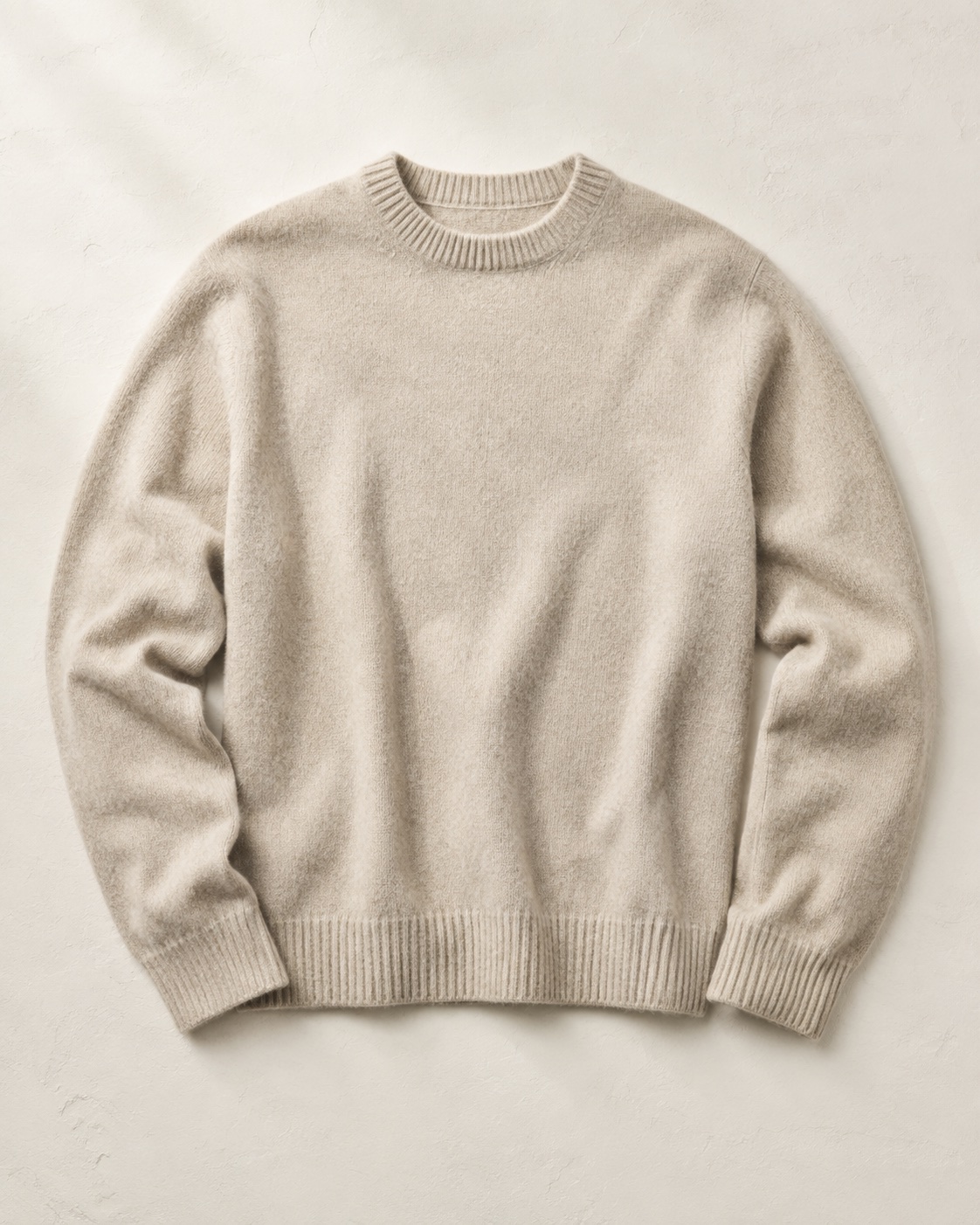
Sample 04A midweight knit used to examine an animal-fiber majority with recycled synthetic reinforcement.
Largest modeled stages
0.41 kg · 82% new-supply-chain wool, 18% recycled polyester.
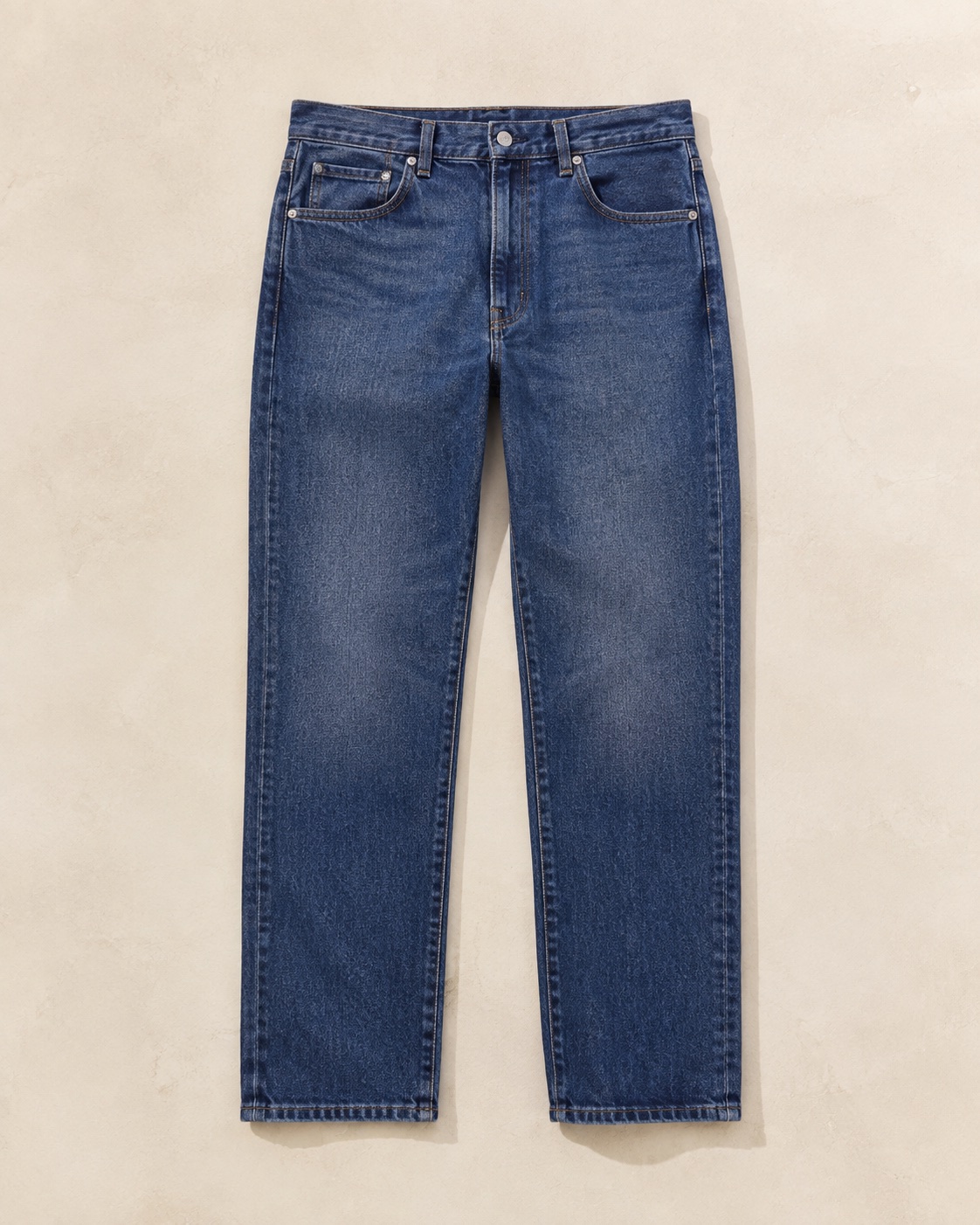
Sample 05A remanufactured denim scenario that makes the method's disabled upstream stages and downstream assumptions visible.
Largest modeled stages
0.62 kg · 70% post-consumer recycled cotton, 28% conventional cotton, 2% elastane.
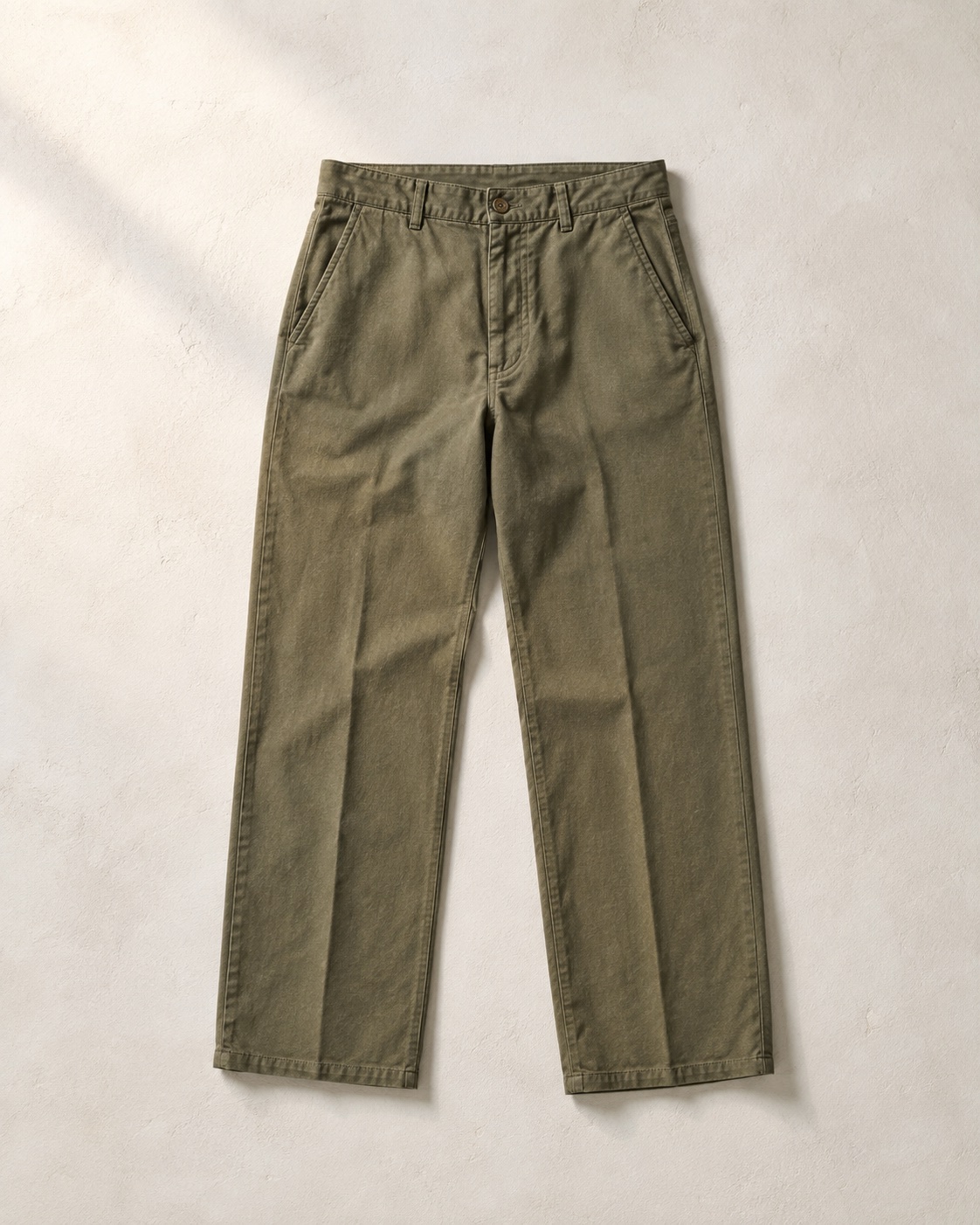
Sample 06Sturdy woven pants demonstrating a hemp-rich plant-fiber blend and moderate garment mass.
Largest modeled stages
0.46 kg · 60% hemp, 38% organic cotton, 2% elastane.